Signs Your Property Requires Professional Site Cutting
Before a single brick is laid or a slab poured, the land underneath your project needs to be right — level, stable, and properly drained. Site cutting Wollongong properties often need before construction can safely begin isn't always obvious from a quick look at a block. Here are the warning signs that tell you it's time to call in a professional excavation team, before a design or building issue turns into a much bigger problem.
What Is Site Cutting and Why Does It Matter?
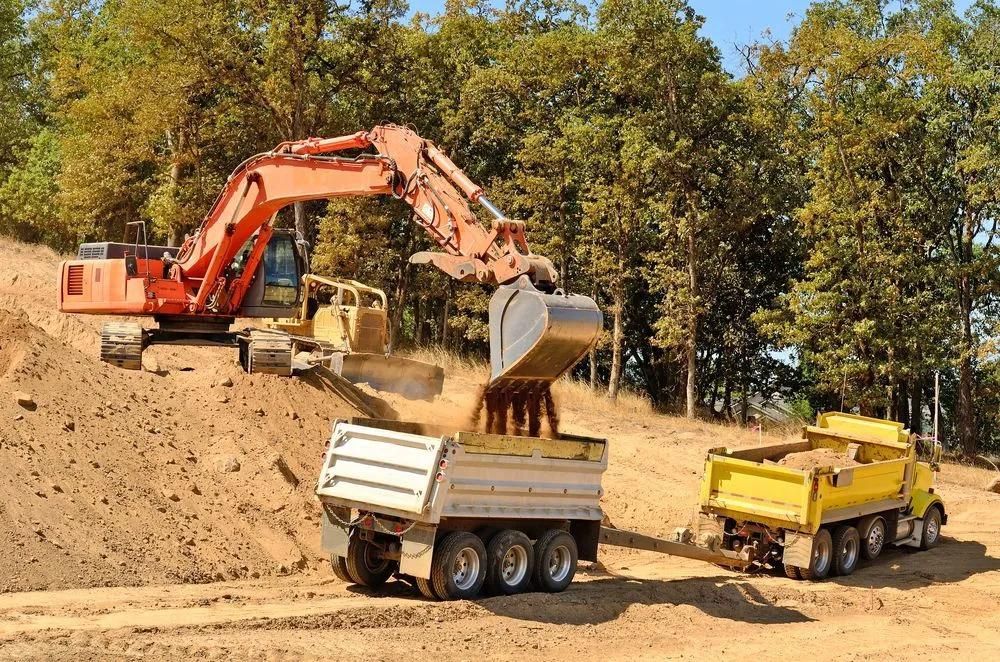
Site cutting is the process of reshaping land — removing soil, rock and debris to create a level, stable base ready for construction. It's typically one of the very first steps in any residential or commercial build, since almost nothing that follows (foundations, slabs, drainage, driveways) can be properly installed on land that hasn't been correctly prepared.
Get this stage wrong, and problems don't stay contained to the ground — they show up later as foundation cracking, water pooling against a building, or a driveway that never quite sits right. Getting it right from the start, with proper land preparation Wollongong sites need for their specific soil and slope conditions, is what protects everything built on top of it.
Sign 1: Uneven or Sloping Terrain
A block with any real slope, or noticeably uneven ground across the build area, is one of the clearest signs professional site cutting is needed. Sloping block excavation isn't something to guess at — building on an unlevelled site risks uneven foundations, structural stress over time, and a build that simply doesn't sit the way the design intended.
The Illawarra region has plenty of sites like this, from escarpment-adjacent blocks to properties with a natural fall toward the street or a neighbouring boundary. Each of these needs a tailored approach to land grading rather than a one-size-fits-all cut.
Sign 2: Drainage Issues and Poor Water Runoff
If water regularly pools on your property, runs toward your home instead of away from it, or you're noticing damp patches that don't dry out properly, that's a strong signal your site's natural grading isn't working in your favour. Poor drainage control at the site preparation stage is one of the most common (and most preventable) causes of ongoing water damage once a building is up.
Correct site cutting in Wollongong will factor in fall and grading specifically to direct water away from structures, rather than leaving it to settle where it's least wanted.
Sign 3: Soil Erosion Around the Property
Visible erosion — soil washing away during rain, exposed roots, or gullies forming across a slope — indicates the ground isn't stable enough to safely build on without intervention. Left unaddressed, erosion tends to get worse over time, undermining foundations and driveways that are already in place, or compromising the ground before construction even starts.
Professional site cutting and grading corrects this instability at the source, rather than treating erosion symptoms after they've already caused damage.
Sign 4: Excess Rock or Soil on the Site
Some blocks come with more than just soil to manage — rocky terrain, old debris, or excess material left over from a previous structure or land use. This kind of material needs to be properly removed or redistributed before a level, buildable surface exists.
Coastal and Illawarra soil types vary significantly from block to block, and what looks like solid ground on the surface can hide rock or unstable fill underneath. This is exactly why the earthworks for construction stage benefits from an experienced local team who understand the region's specific ground conditions, rather than a generic approach applied everywhere.
Sign 5: Difficult Access for Building or Machinery
If getting machinery, materials or trades onto your site is already proving difficult before construction has even started, that's often a sign the land itself needs reshaping to create safe, usable access. Poor access doesn't just slow a project down — it can also increase risk on-site for workers and machinery operating on unstable or awkward ground.
Professional excavation contractors Wollongong builders rely on can assess access constraints as part of the broader site cutting plan, rather than treating it as a separate problem to solve later.
How Site Cutting Creates a Stable, Level Foundation
Done properly, site cutting removes the guesswork from what's underneath your build. It creates a level, compacted, properly graded surface that foundations, slabs and drainage systems can be installed on with confidence, rather than hoping the ground behaves as expected once construction is underway.
This matters for every project type — a single new home, a subdivision, or a larger commercial development — since the quality of the groundwork underneath directly affects the stability and longevity of everything built on top of it.
The Cost of Ignoring Early Warning Signs
Skipping proper site cutting, or treating it as a corner to cut on budget, tends to cost considerably more down the track. Foundation issues, drainage failures, and structural cracking are all far more expensive to fix once a building exists on top of the problem, compared to correcting the ground itself before construction begins.
If you're weighing up the cost of proper site preparation against the risk of skipping it, it's worth reading how excavation can help
reduce project delays, since the two issues are closely connected — poor groundwork is one of the most common causes of costly delays partway through a build.
Why Hiring a Professional Site Cutting Team Matters
Site cutting in Wollongong isn't a job for guesswork or general labour — it requires the right machinery, an understanding of local soil and slope conditions, and the experience to read a site correctly before work begins. A professional team assesses drainage, soil type, slope and access all at once, rather than addressing each issue separately as it comes up.
This is particularly true across the Illawarra, where conditions can shift significantly from a steep escarpment block to a coastal property with a high water table — each requiring a different approach to get right.
Compliance With Engineering and Local Building Standards
Site cutting also needs to meet relevant engineering and council requirements, particularly around drainage, retaining structures, and soil stability where a slope is involved. Getting this wrong isn't just a construction risk — it can also cause delays at council approval stage or during a building inspection if the groundwork doesn't meet required standards.
Working with an experienced local contractor familiar with Wollongong council requirements and standard engineering expectations helps avoid these compliance headaches before they become a hold-up on your project.
Get Expert Site Cutting and Excavation in Wollongong
If your property is showing any of these signs — sloping terrain, drainage issues, erosion, excess rock or soil, or difficult site access — it's worth having it properly assessed before construction begins rather than after a problem shows up. ACC Excavations & Demolition has been delivering excavation and earthworks across Wollongong, Shellharbour and the wider Illawarra since 2007, with the local knowledge to handle everything from steep, rocky blocks to coastal sites with high water tables.
Getting your groundwork right also
prepares your site for construction success, setting up the rest of your project to run smoothly from the ground up. For expert
excavation Wollongong property owners and builders trust,
get in touch for a free quote and let our team assess your site before you commit to a build plan.
Frequently Asked Questions