What Tools & Machinery Are Essential for Excavation Projects in Wollongong
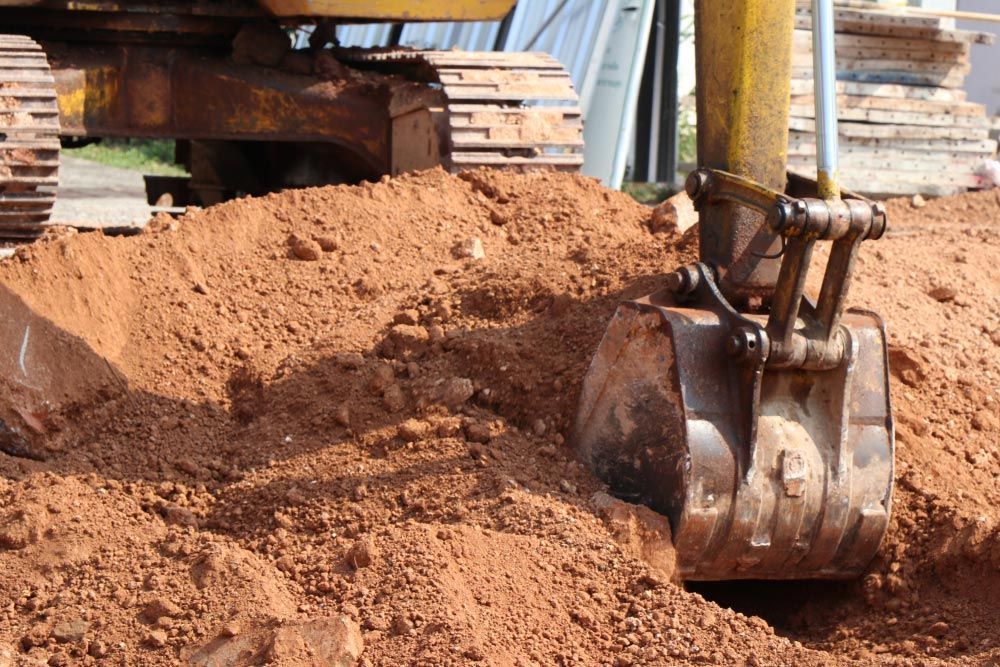
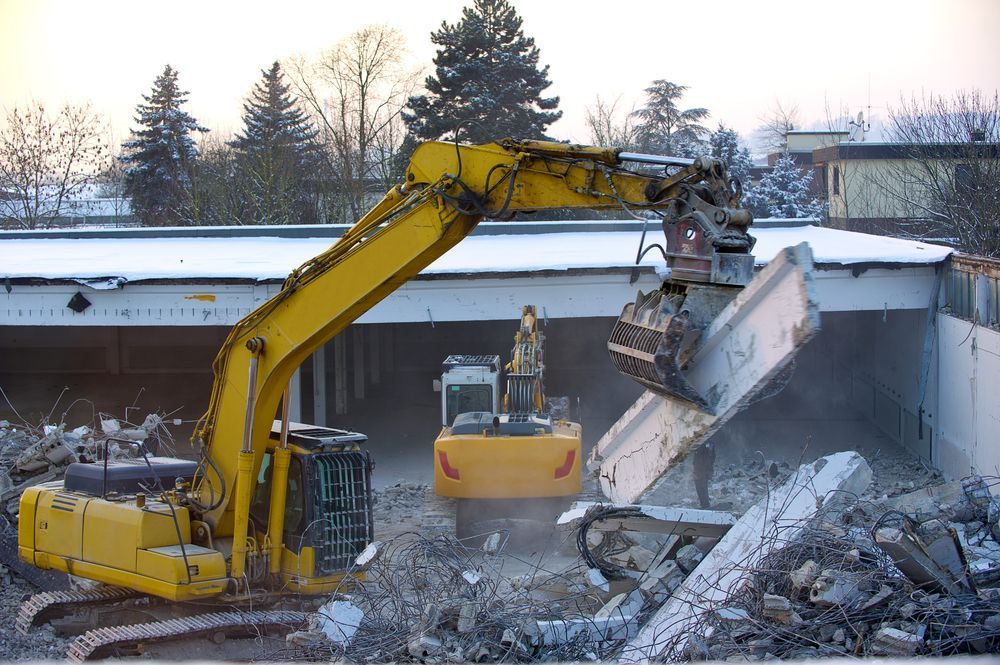
Excavation is rarely as straightforward as it looks from the outside. Whether you're preparing a site for a new build, installing drainage, carving out a driveway or demolishing an existing structure, the groundwork stage sets the foundation for everything that follows. Get it right and the rest of the project runs smoothly. Get it wrong and the consequences can be costly, dangerous and time-consuming to fix. For homeowners and builders planning excavation in Wollongong, understanding what equipment is involved and why it matters can make the difference between a project that stays on schedule and one that doesn't.
Why the Right Excavator Makes or Breaks a Project
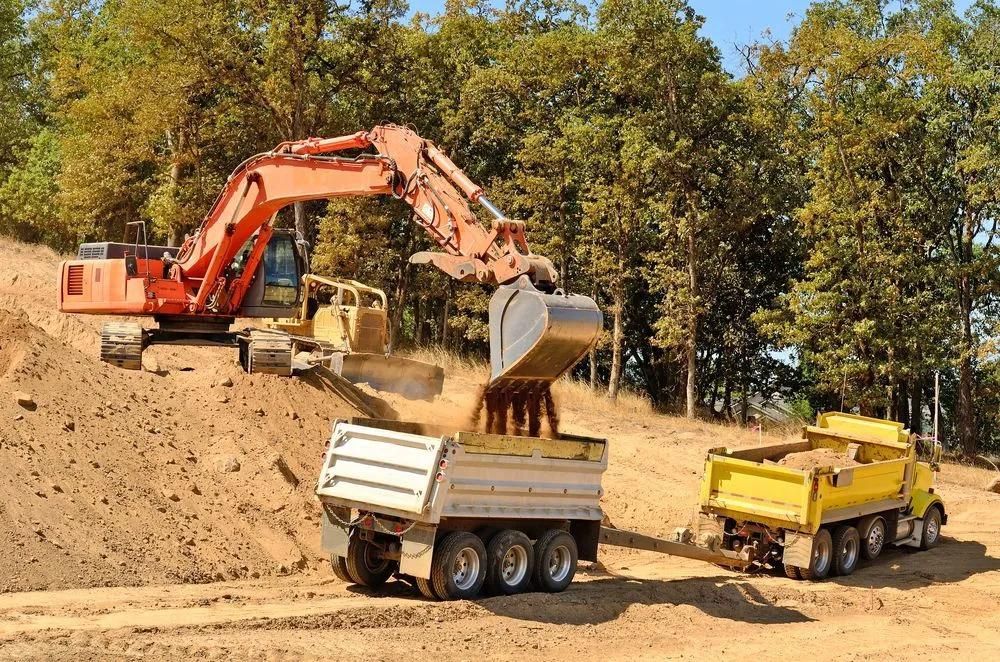
The excavator is the workhorse of any excavation project and choosing the right size and configuration for the job is more important than most people realise. Too large and it causes unnecessary damage to surrounding areas. Too small and it extends the timeline and increases labour costs. Modern excavators come in a range of sizes to suit everything from tight residential lots to large commercial sites.
When navigating excavator selection, keep in mind their unique strengths:
- Compact or mini excavators suit narrow access points, suburban blocks and work near existing structures where space is limited.
- Standard excavators handle bulk earthmoving, foundation preparation and deeper excavation on open sites.
- Long-reach excavators are used where depth or horizontal reach exceeds what a standard machine can manage safely.
Matching the excavator to the scope of the work from the outset avoids the delays and additional costs that come with mid-project equipment changes.
Bulldozers & Their Role in Site Preparation
Before detailed excavation begins, many sites require bulk clearing and grading to establish a workable surface. Bulldozers handle this initial phase efficiently, pushing large volumes of soil, rock and debris across a site and establishing the rough levels that excavation work builds from.
On most sites, bulldozers are brought in to:
- Clear vegetation, topsoil and surface debris ahead of foundation excavation.
- Rough grade the site to approximate levels before fine excavation work begins.
- Push spoil to designated stockpile areas to keep the site organised and accessible.
Without adequate site preparation, excavation machinery operates less efficiently and the risk of ground instability increases significantly.
Backhoe Loaders: The Versatile Middle Ground
Not every excavation project demands a full-sized excavator. Backhoe loaders offer a practical combination of digging capability and load-carrying capacity in a single machine, making them well suited to projects that require both earthmoving and material transport without the cost of running multiple machines on site simultaneously. For smaller residential projects across the region, excavator hire in Nowra gives homeowners and builders access to the right equipment without the overhead of ownership.
Backhoe loaders come into their own when a project calls for:
- Trench digging for drainage, utilities and irrigation systems on residential properties.
- Loading excavated material into trucks for removal from site.
- General site work where flexibility and manoeuvrability matter more than raw digging power.
For homeowners undertaking smaller builds or landscaping projects, a backhoe loader often provides the right balance of capability and cost-effectiveness.
Dump Trucks & Spoil Removal
Excavation generates significant volumes of spoil, and removing it efficiently is just as important as the digging itself. A project that lacks adequate spoil removal capacity quickly becomes congested, slowing progress and creating safety hazards as material accumulates around the work area.
Most projects rely on one of three truck types, depending on access and volume:
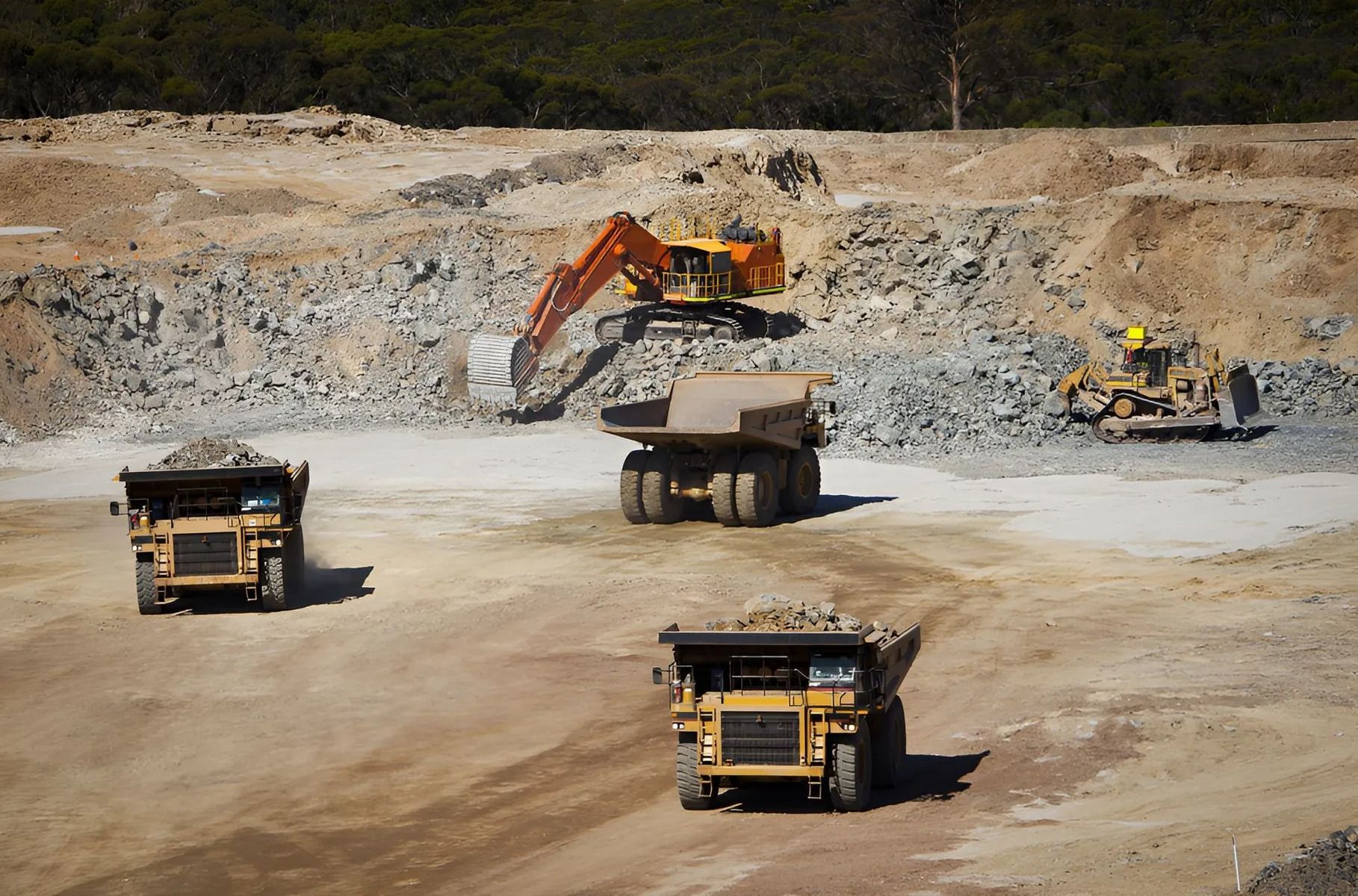
- Articulated dump trucks suit large-scale earthmoving on open sites where speed of removal is a priority.
- Rigid body trucks work well on hard-stand areas and sites with defined haul routes.
- Smaller tipper trucks handle residential projects where access is restricted and load sizes are more manageable.
Coordinating spoil removal with the excavation schedule keeps the site safe, productive and compliant with local waste management requirements.
Compactors & the Importance of Ground Preparation
Excavation isn't only about removing material. In many projects, it also involves placing and compacting fill to achieve the ground conditions required for construction. Compaction equipment ensures that backfilled areas reach the density specifications required by engineers and local council, preventing settlement and structural problems after construction is complete.
Which equipment is used depends on the size of the area and the nature of the fill:
- Plate compactors handle granular fill and surface compaction on smaller areas and trenches.
- Ride-on rollers cover large areas quickly and achieve the compaction depths required for road bases and building pads.
- Trench rollers compact backfill in confined excavations where larger equipment cannot safely operate.
Skipping or underperforming this stage creates ground instability that can compromise foundations, drainage systems and paved surfaces years after the project is complete.
Rock Breakers & the Challenge of Wollongong's Terrain
The Wollongong region presents specific ground conditions that not every excavation team is prepared for. Sandstone, shale and other rock formations are common beneath the surface across many parts of the Illawarra, and anyone planning excavation in Wollongong should factor these conditions into their project preparation from the outset. Standard excavation buckets are not always sufficient to break through them efficiently or safely.
Rock breakers make hard ground conditions manageable in several ways:
- They fracture and break up rock formations that would otherwise require blasting or manual labour.
- They can be fitted to a range of excavator sizes, making them adaptable to both confined and open sites.
- They significantly reduce project timelines on sites where rock is encountered unexpectedly during excavation.
Understanding local ground conditions before a project begins allows excavation contractors to bring the right attachments and avoid costly delays.
Why Professional Operators Matter as Much as the Machinery
The best equipment on a job site is only as effective as the person operating it. Excavation machinery requires trained, experienced operators who understand ground behaviour, load limits, safe working distances and the risks associated with underground services, unstable batters and confined spaces.
A skilled excavation team brings capabilities to a project that go well beyond operating the machinery itself, including:
- Knowledge of local conditions, council requirements and site-specific risks that affect how excavation work is planned and carried out.
- The ability to identify and respond to unexpected ground conditions, services or hazards before they become serious problems.
- Compliance with workplace health and safety obligations that protect workers, neighbours and the broader public throughout the project.
Attempting to manage excavation work with inexperienced operators or unsuitable equipment creates risks that no amount of planning can fully offset.
Get Your Next Project Started with the Right Team Behind You
We at ACC Excavations & Demolition have worked across a wide range of residential and commercial projects throughout the Illawarra region, and we understand the ground conditions, site constraints and logistical challenges that come with excavation in Wollongong. From compact residential digs to large-scale site preparation, our team arrives with the right machinery, the right experience and a clear understanding of what your project requires. If you're planning a build, renovation or demolition in Wollongong or Nowra and want a team you can rely on from the first dig to the final grade, get in touch with us today.